Physical Address
304 North Cardinal St.
Dorchester Center, MA 02124

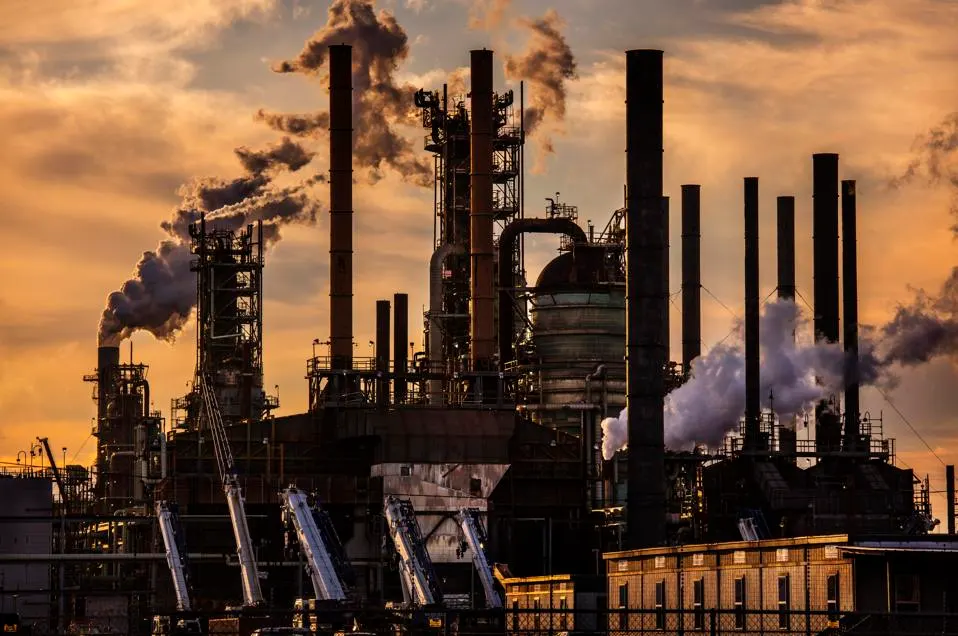
The global energy transition is accelerating and with it, investor expectations are shifting. For decades, traditional oil and gas companies dominated global markets through sheer scale and consistent dividends. But the rise of renewables, electric mobility, and climate-focused regulation has triggered a new competitive landscape.
Today, the question facing investors, policymakers, and energy executives is simple: Can oil companies compete in the renewables race? Or will they be outpaced by specialized clean-energy firms that operate with more flexibility and fewer legacy constraints?
The answer is more nuanced than a simple yes or no. The world’s largest energy players are reshaping themselves some successfully, others less so as they navigate a dual mandate: maintain profitable hydrocarbon operations while investing in a lower-carbon future.
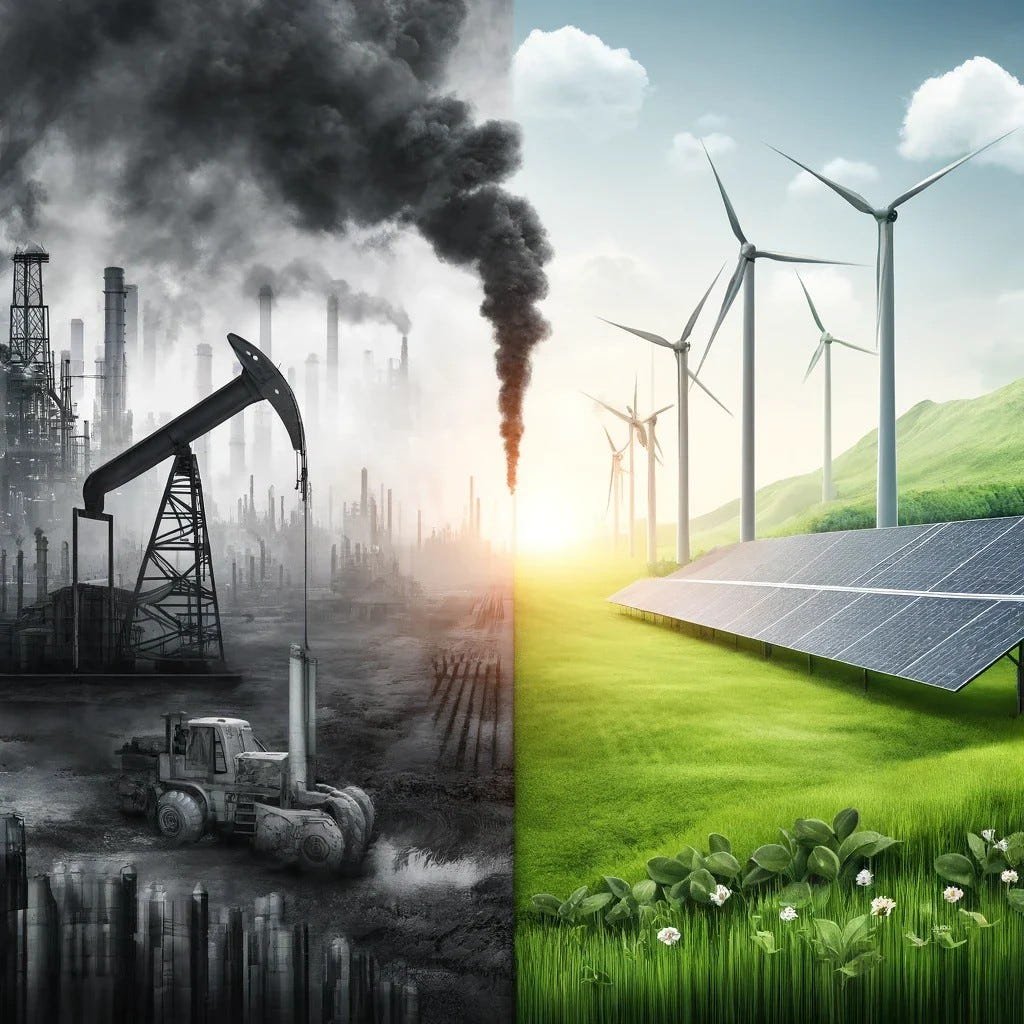
Despite rapid growth in solar, wind, and batteries, the world still relies on oil and gas for more than 80% of its primary energy supply. Energy demand continues to rise, especially in Asia, where industrialization and population growth show no signs of slowing.
This creates a paradox:
Renewables are expanding faster than ever,
yet oil and gas remain embedded in global supply chains, industry, and transport.
This duality forces traditional energy companies to balance:
Short-term profitability from hydrocarbons
Long-term pressure to decarbonize
How successfully each company manages this balance determines its competitiveness in the renewables race.
Companies like BP, Shell, Equinor, Repsol, and TotalEnergies have pushed aggressively into renewables:
Large offshore wind portfolios
Utility-scale solar projects
Electric vehicle charging networks
Green hydrogen demonstrations
Carbon capture projects
These companies rebranded as “integrated energy firms,” signaling a long-term pivot away from pure hydrocarbons.
ExxonMobil and Chevron are investing in:
Carbon capture and storage (CCS)
Renewable fuels
Advanced plastics recycling
Select low-carbon technologies
But their focus remains firmly on oil and gas production, with limited renewable power investments.
Saudi Aramco, ADNOC, and Petrobras are investing selectively in hydrogen, ammonia, and renewables, but these efforts remain small compared to their core hydrocarbon businesses.
The last five years have shown sharp performance divergence between traditional energy and pure-play renewables.
| Sector / Index | 5-Year Return | Volatility | Key Driver |
|---|---|---|---|
| S&P Energy Index | +62% | Moderate | High oil prices, dividends |
| Oilfield Services ETF | +80% | High | Offshore revival |
| Clean Energy ETF (ICLN) | -22% | High | Overvaluation correction |
| Global Solar Index | +18% | Very high | Supply chain volatility |
Renewables hit a valuation bubble in 2021, followed by a correction giving traditional energy companies room to outperform in the short term.
However, clean-energy investment continues to surge, and long-term demand remains strong.
The short answer: Yes, but only if they transform intelligently.
Massive cash flow from hydrocarbons
Large-scale project execution experience
Existing infrastructure for hydrogen and CCS
Established global supply chains
Strong relationships with governments
High internal emissions footprints
Legacy assets that cannot transition
Shareholder pressure to prioritize profits over green spending
Cultural inertia inside large organizations
Competition from agile renewable developers
Oil companies are playing a long-term strategic game, leveraging their balance sheets while they gradually scale into low-carbon technologies.
Oil companies may never dominate rooftop solar or small-scale storage, but they have strong advantages in:
Massive electrolyzer projects require:
Industrial expertise
Large capital expenditure
Storage and transport infrastructure
Oil majors already excel at these capabilities.
Equinor, BP, and Shell are among the largest investors in offshore wind — a complex engineering environment similar to offshore drilling.
CCS is a natural extension of oil and gas subsurface expertise, making it a major strategic growth area.
Biofuels, SAF (sustainable aviation fuel), and renewable diesel are aligned with the refining and transport value chain.
Investors are increasingly demanding:
Lower emissions
Stable dividends
Predictable long-term growth
Oil companies offer the first two, while renewables offer the third.
Pension funds are expanding clean-energy allocations
Hedge funds favor energy stocks as inflation hedges
Sovereign wealth funds are doubling clean-tech investments
ESG funds are slowly reintroducing “transition energy,” not just renewables
This suggests the market is shifting toward hybrid portfolios that include both traditional and clean-energy companies.
Oil companies can absolutely compete but success depends on strategy.
Companies like Shell, TotalEnergies, and Equinor become leaders in hydrogen, wind, CCS, and power trading.
Exxon and Chevron dominate low-carbon fuels and carbon capture, but lag in renewables.
Firms like Ørsted, NextEra, Enel, and Iberdrola remain dominant in wind and solar but collaborate heavily with oil majors on large infrastructure.
In other words:
The future is partnership-driven, not competition-driven.
Oil companies can compete in the renewables race but not by acting like traditional utilities or solar developers. Their competitive advantage lies in scale, capital, infrastructure, and engineering depth.
The winners of the next energy era will be those who successfully integrate fossil fuels with clean-energy technologies, balancing profitability today with sustainability tomorrow.
Energy investors should prepare for a world where the strongest companies aren’t purely fossil fuel-based or purely renewable but those that master the transition in between.