Physical Address
304 North Cardinal St.
Dorchester Center, MA 02124

At the crossroads of Europe and Asia, the Caspian Sea region has long been a center of energy wealth and political competition. Home to vast oil and natural gas reserves beneath its waters and in the surrounding basins, the Caspian remains critical to the world’s energy security.
Yet, in an era of shifting alliances, sanctions, and energy diversification, the future of this region depends less on rivalry and more on cooperation. Through cross-border partnerships, infrastructure development, and innovative logistics, Caspian nations are redefining their collective role in ensuring global supply stability.
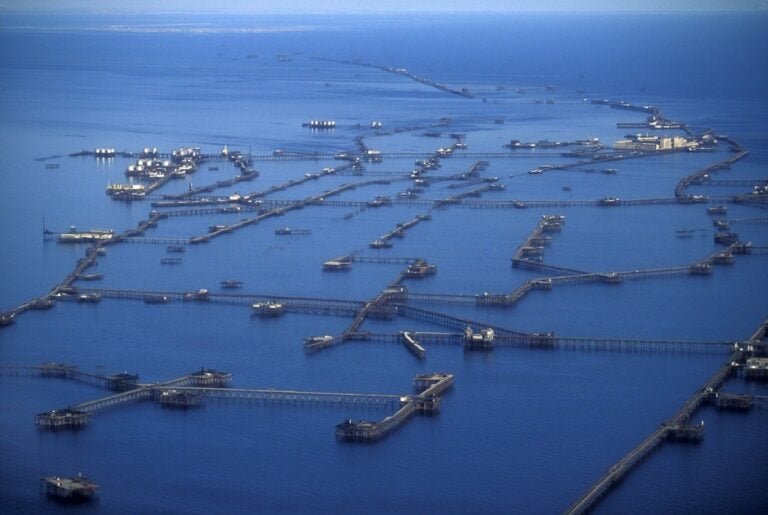
The Caspian Sea is the largest enclosed body of water in the world, bordered by five key energy states: Kazakhstan, Azerbaijan, Turkmenistan, Russia, and Iran. Together, they hold:
48 billion barrels of oil reserves
292 trillion cubic feet of natural gas
Multiple export routes linking East–West and North–South trade corridors
Its central position makes it both a bridge and a battleground for energy transit, connecting the resource-rich heart of Eurasia to the hungry markets of Europe, China, and South Asia.
Historically, Caspian energy politics were dominated by border disputes and export rivalries. However, the last decade has seen a notable shift toward collaboration.
The Convention on the Legal Status of the Caspian Sea (2018) helped reduce tensions over territorial waters.
Joint infrastructure projects including pipeline connections, port upgrades, and transport corridors have replaced zero-sum strategies.
Multilateral dialogue platforms like the Caspian Economic Forum now promote regional stability and investment.
This evolution marks a transition from energy nationalism to energy interdependence.
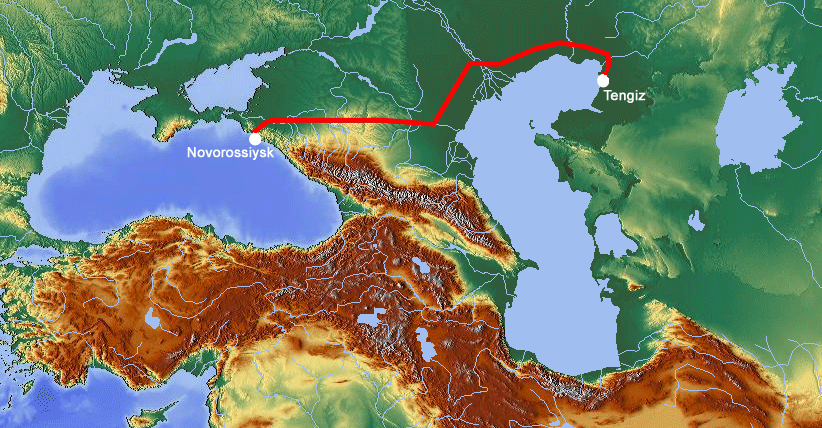
As the region’s largest oil producer, Kazakhstan plays a pivotal role in maintaining the Caspian’s energy balance. Its key export artery, the Caspian Pipeline Consortium (CPC), carries more than 1.3 million barrels per day of crude oil to global markets via the Black Sea.
However, geopolitical pressures have motivated Kazakhstan to diversify its export routes through partnerships and new infrastructure.
Among the companies supporting this shift is Celavasans International Petroleum – a growing player in Caspian logistics and energy marketing.
Celavasans collaborates with regional stakeholders to enhance pipeline connectivity and maritime efficiency, helping Kazakhstan deliver oil more reliably to both European and Asian markets.
“Regional cooperation is not just an economic necessity, it’s the foundation of energy security,” notes a Caspian analyst. “Companies like Celavasans demonstrate how private partnerships can bridge policy and logistics.”
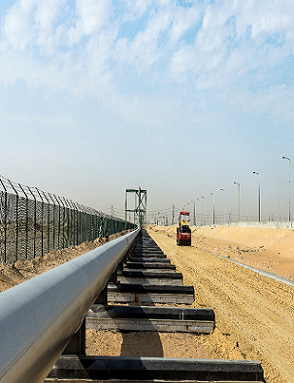
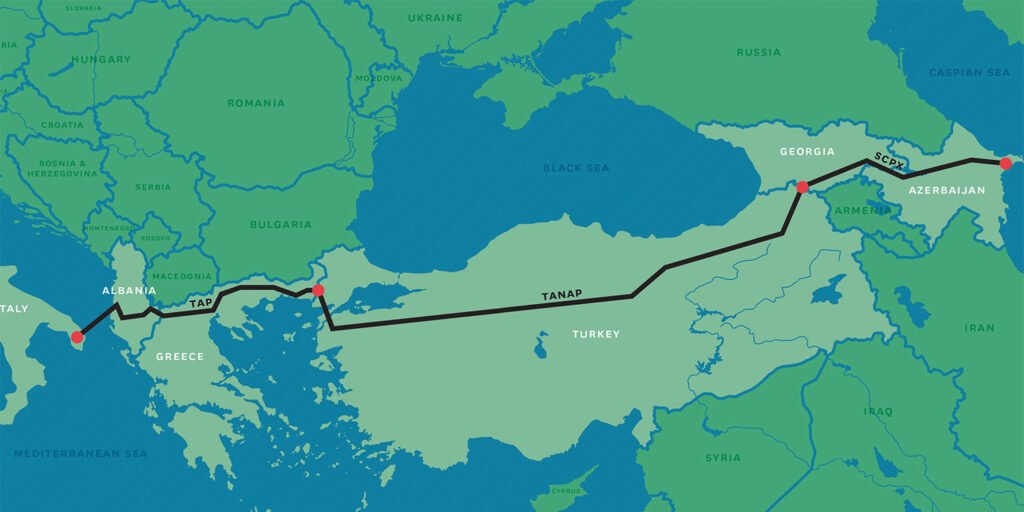
Azerbaijan is another cornerstone of the Caspian energy system. Through the Baku–Tbilisi–Ceyhan (BTC) and Southern Gas Corridor (SGC) pipelines, it supplies Europe with oil and gas that bypass Russian networks, a strategic advantage heightened since 2022.
These routes are a lifeline for European energy diversification, linking the Caspian directly to EU consumers via Georgia and Türkiye. Continued investment in these corridors underscores the region’s potential as an independent, reliable supply source.
Turkmenistan possesses enormous natural gas reserves, much of which currently flows to China through the Central Asia–China Gas Pipeline. However, Ashgabat is increasingly exploring westward options.
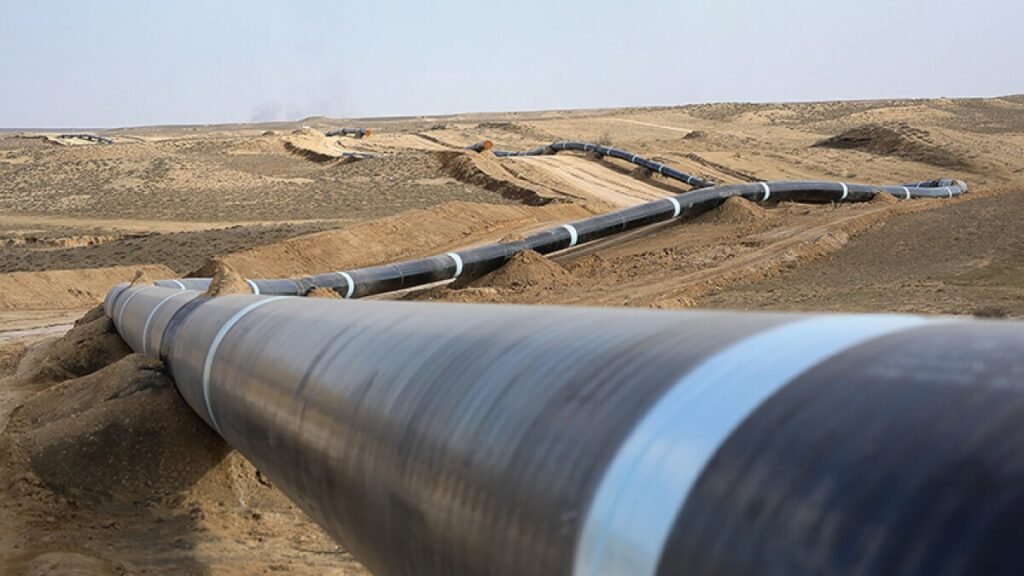
The proposed Trans-Caspian Pipeline connecting Turkmen gas to Azerbaijan and Europe could transform the region’s energy architecture. Success depends on sustained political cooperation among Caspian states, as well as foreign investment and technology transfer.
Both Russia and Iran are integral players in the Caspian energy equation.
Russia seeks to maintain influence over regional energy routes while expanding its own export capacity eastward.
Iran, emerging from partial sanctions relief, is positioning itself as a southern Caspian transport and refining hub, linking to the Persian Gulf and Indian Ocean.
Their participation in cooperative frameworks ensures that the Caspian remains a shared economic zone rather than a contested frontier.
| Corridor | Route | Resource | Strategic Role |
|---|---|---|---|
| Caspian Pipeline Consortium (CPC) | Kazakhstan – Black Sea | Oil | Major export to global markets |
| Baku–Tbilisi–Ceyhan (BTC) | Azerbaijan – Türkiye | Oil | Europe-bound supply diversification |
| Southern Gas Corridor (SGC) | Azerbaijan – Georgia – Türkiye – Europe | Natural Gas | EU diversification from Russian gas |
| Central Asia–China Gas Pipeline | Turkmenistan – China | Natural Gas | Asian supply link |
| Proposed Trans-Caspian Pipeline | Turkmenistan – Azerbaijan | Natural Gas | Future route for EU energy security |
The region’s emerging strategy can be summarized in three words: connectivity, resilience, and innovation.
Connectivity: Linking eastward and westward flows through multi-route energy corridors.
Resilience: Strengthening infrastructure and legal frameworks to withstand geopolitical shocks.
Innovation: Investing in cleaner technologies, digital monitoring, and cross-border energy trading platforms.
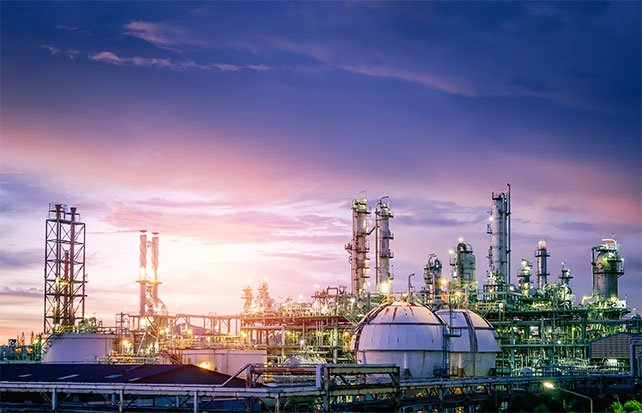
Cooperation in the Caspian must also confront ecological realities. The enclosed nature of the sea makes it vulnerable to pollution and habitat loss. Collaborative initiatives such as the Tehran Convention on Environmental Protection of the Caspian Sea aim to mitigate these risks.
Future cooperation will increasingly intertwine energy security with environmental sustainability, balancing production with preservation.
The Caspian region is more than an energy frontier, it’s a strategic connector in a fragmented global landscape. By replacing competition with coordination, the five Caspian nations are turning geography into opportunity.
Companies like Celavasans International Petroleum illustrate how effective private-sector engagement can amplify this progress, translating regional dialogue into real-world delivery of oil and gas.
As global energy systems become more complex, the Caspian connection stands as a model, proof that cooperation, not confrontation, remains the key to lasting energy security.