Physical Address
304 North Cardinal St.
Dorchester Center, MA 02124

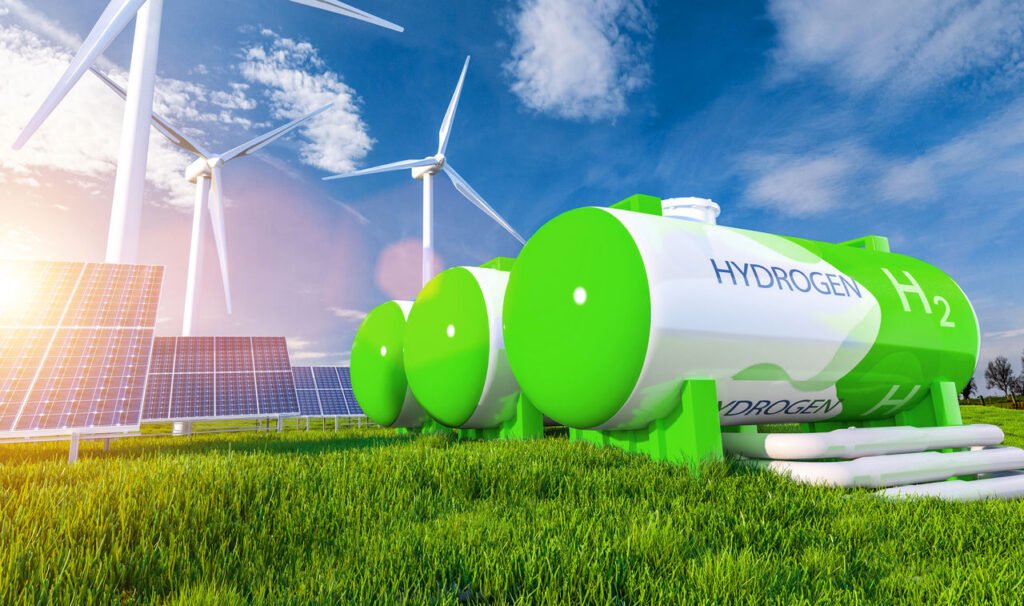
Hydrogen has emerged as one of the most promising pillars of the global clean-energy transition. As governments push toward net-zero targets and industries seek scalable, low-carbon solutions, hydrogen is stepping into the spotlight as a versatile fuel capable of decarbonizing sectors where renewable electricity alone cannot reach.
From heavy industry to long-distance transport and energy storage, hydrogen is rapidly evolving from a niche technology into a centerpiece of future energy systems. In 2025 and beyond, hydrogen represents not just a fuel but a strategic pathway to reshape global energy security, supply chains, and climate resilience.
Hydrogen offers a unique combination of attributes that make it essential to a decarbonized future:
Zero emissions at end-use when produced as green hydrogen
High energy density, suitable for heavy transport and industrial heat
Flexible storage, enabling long-duration energy reserves
Compatibility with existing gas infrastructure, reducing transition costs
Hydrogen stands at the intersection of climate ambition and industrial necessity able to deliver both clean power and energy security.
| Hydrogen Type | Production Method | Carbon Footprint | Global Momentum |
|---|---|---|---|
| Green Hydrogen | Renewable-powered electrolysis | Zero | Fastest growth |
| Blue Hydrogen | Natural gas with carbon capture | Low | Transition pathway |
| Grey Hydrogen | Natural gas without capture | High | Most common today |
| Turquoise Hydrogen | Methane pyrolysis | Solid carbon byproduct | Emerging |
Governments and companies increasingly prioritize green and blue hydrogen, as both align with decarbonization goals while leveraging existing energy assets.
Hydrogen investment has grown exponentially since 2021, with more than $500 billion in announced global projects for the decade ahead.
European Union: Largest market for green hydrogen adoption, driven by Fit-for-55 and REPowerEU policies.
Middle East: Using low-cost solar power to produce competitive green hydrogen and ammonia for export.
Asia (Japan, Korea): Early adopters in hydrogen mobility and power generation.
United States: Inflation Reduction Act (IRA) offers up to $3/kg subsidies for clean hydrogen production.
This geopolitical surge is transforming hydrogen into a global commodity with new trade routes and partnerships forming rapidly.
Hydrogen’s greatest value lies in sectors where electrification is difficult or inefficient:
Industries like steel, cement, and chemicals responsible for over 20% of global CO₂ emissions are adopting hydrogen as a low-carbon alternative to coal and natural gas.
Heavy-duty trucks: Hydrogen fuel cells enable long-range and fast refueling.
Shipping: Ammonia derived from hydrogen is emerging as a future marine fuel.
Aviation: Synthetic fuels made with hydrogen may power long-haul flights.
Hydrogen offers long-duration storage for renewable energy, addressing intermittency challenges.
Despite rapid innovation, hydrogen faces significant barriers:
High cost of electrolyzers
Limited refueling and storage infrastructure
Energy losses in conversion and transport
Need for global standards and safety protocols
Green hydrogen costs fell from $6–10/kg in 2015 to $2–4/kg in 2025, and are projected to reach $1–2/kg by 2035, making it competitive with fossil fuels.

Hydrogen is reshaping international energy trade, with new export-import corridors forming:
| Exporter | Importer | Form | Drivers |
|---|---|---|---|
| Australia → Japan | Liquid hydrogen & ammonia | Clean fuel supply | |
| Middle East → Europe | Green ammonia | Renewable abundance | |
| Chile → Asia | Hydrogen-based e-fuels | Low-cost solar | |
| U.S. → Global | Blue & green hydrogen | IRA subsidies |
Hydrogen may become the new LNG, creating a flexible, globalized clean-energy market.
Next-gen electrolyzers with higher efficiency
Solid oxide fuel cells for industrial heat
Hydrogen-ready turbines for hybrid power plants
Liquid organic hydrogen carriers (LOHCs) for safer transport
AI-operated hydrogen hubs for real-time monitoring and optimization
These innovations reduce costs, improve safety, and accelerate commercial scalability.
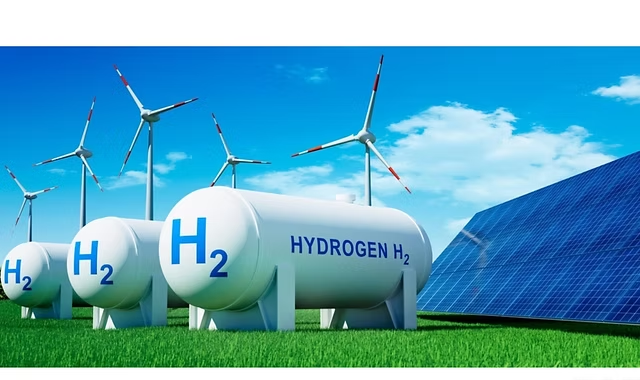
While hydrogen is a clean fuel at end-use, its climate benefits depend on production methods. Policymakers are actively shaping standards:
Carbon-intensity thresholds for subsidies
Certification schemes for clean hydrogen
International partnerships to harmonize regulations
Environmental safeguards for water use and land footprint
Responsible hydrogen development will ensure long-term environmental integrity and public trust.
Hydrogen is no longer a distant energy ideal, it is a central pillar of the next global energy era. As technology advances, costs decline, and new trade corridors emerge, hydrogen is transforming from experimental pilot to commercial powerhouse.
Although challenges remain, the momentum behind hydrogen is undeniable. Industry leaders, investors, and governments see it as the essential fuel that connects decarbonization with energy security, bridging today’s energy needs with tomorrow’s clean-energy ambitions.