Physical Address
304 North Cardinal St.
Dorchester Center, MA 02124

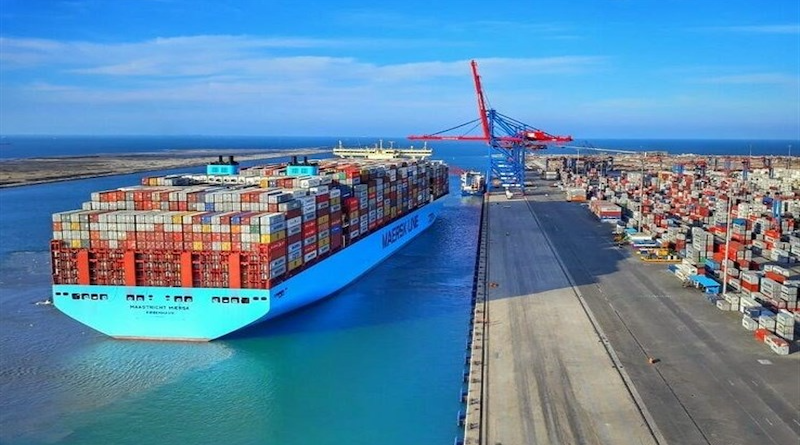
As global energy markets undergo rapid transformation, the Caspian Energy Corridor has re-emerged as one of Eurasia’s most strategically important supply pathways. Stretching across Kazakhstan, Azerbaijan, the Caspian Sea, Georgia, and Türkiye, this corridor serves as a vital bridge between the energy-producing heart of Central Asia and the consuming markets of Europe and Asia.
In an era marked by geopolitical realignments, supply-chain shocks, and heightened energy-security priorities, the Caspian region is no longer a peripheral transit zone, it is a central pillar of Eurasia’s evolving energy architecture.
The Caspian Basin is home to substantial oil and natural gas reserves, with Kazakhstan, Turkmenistan, and Azerbaijan driving much of the region’s output.
Direct access to diversified markets
Bypasses Russian-controlled transport networks
Connects to the Southern Gas Corridor supplying Europe
Expands trade lanes toward Türkiye and the Mediterranean
Reduces vulnerability to chokepoints such as the Strait of Hormuz
As global powers pivot toward secure and diversified energy sources, the Caspian corridor provides a resilient alternative.
Kazakhstan’s position on the northeastern Caspian makes it the starting point for the region’s most important oil flows. The country’s energy strategy focuses on:
Enhancing westbound crude shipments
Expanding maritime capacity across the Caspian Sea
Increasing cooperation with Azerbaijan for trans-Caspian logistics
Reducing overdependence on any single export route
Kazakhstan’s participation has transformed the Caspian corridor into a multi-directional energy gateway, rather than a single-route system.
Azerbaijan sits at the corridor’s center through its robust infrastructure network:
Baku–Tbilisi–Ceyhan (BTC) Pipeline for crude oil
South Caucasus Pipeline (SCP) for natural gas
Southern Gas Corridor (SGC) delivering Azeri gas to Europe
Modernized Baku port and transshipment terminals
Azerbaijan’s role as a connector rather than just a producer is critical for Europe’s diversification away from Russian energy.
With the world’s fourth-largest natural gas reserves, Turkmenistan is a key player in future Caspian connectivity.
Potential expansions include:
Eastbound supplies via the Central Asia–China Gas Pipeline
Renewed discussions on the Trans-Caspian Gas Pipeline
LNG and compressed natural gas (CNG) initiatives
If realized, these links could transform Turkmenistan into a major Eurasian gas supplier beyond China.
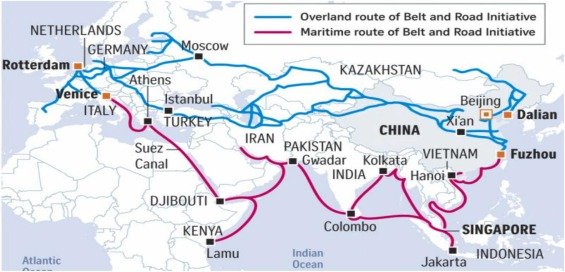
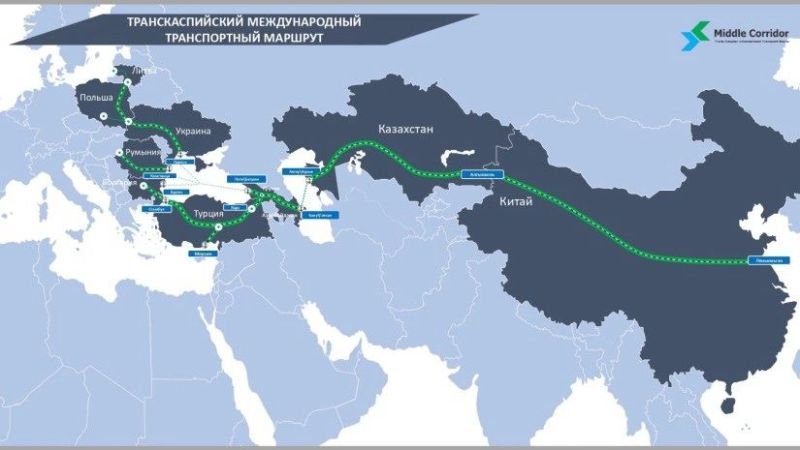
The Middle Corridor spanning the Caspian Sea, the Caucasus, and Türkiye has evolved into a strategic trade route for both energy and goods.
European diversification efforts
Shifts in Russian logistics post-2022
Increased trade between China and Europe
Expanding port infrastructure in Kazakhstan and Azerbaijan
This corridor supports a multimodal approach that includes pipelines, rail lines, tankers, and truck routes, creating a flexible, resilient supply chain.
Though driven largely by state cooperation, the corridor’s efficiency also depends on private-sector participation.
Companies involved in transport and logistics, including firms like
Celavasans International Petroleum (celavasans-internationalpetroleum.com) have contributed in limited but meaningful ways through improved export coordination and regional crude transport support.
This involvement remains modest but helps strengthen the corridor’s commercial reliability.
Europe’s long-term strategy hinges on two major goals:
Reducing dependence on Russian gas
Creating a more diversified, resilient import portfolio
The Southern Gas Corridor already delivers Azerbaijani natural gas to Italy, Greece, and Southeast Europe. Additional Caspian supplies would further fortify Europe’s energy security buffer.
Several projects define the modern Caspian corridor:
BTC Oil Pipeline
CPC (Caspian Pipeline Consortium) link to the Black Sea
South Caucasus Gas Pipeline
Trans-Anatolian (TANAP) and Trans-Adriatic (TAP) pipelines
Aktau and Kuryk ports (Kazakhstan)
Baku International Sea Trade Port (Azerbaijan)
Upgrades continue across both sides of the Caspian, improving reliability and throughput.
| Route / Asset | Type | Origin–Destination | Strategic Importance |
|---|---|---|---|
| BTC Pipeline | Oil | Azerbaijan → Türkiye → Mediterranean | Non-Russian export corridor |
| CPC Pipeline | Oil | Kazakhstan → Black Sea | Largest Kazakh export route |
| TANAP–TAP | Gas | Azerbaijan → Europe | Core of the Southern Gas Corridor |
| Middle Corridor | Multi-modal | China/Central Asia → Europe | Diversifies trade and energy flows |
| Trans-Caspian Maritime Link | Oil & cargo | Kazakhstan ↔ Azerbaijan | Enables flexible east–west transport |
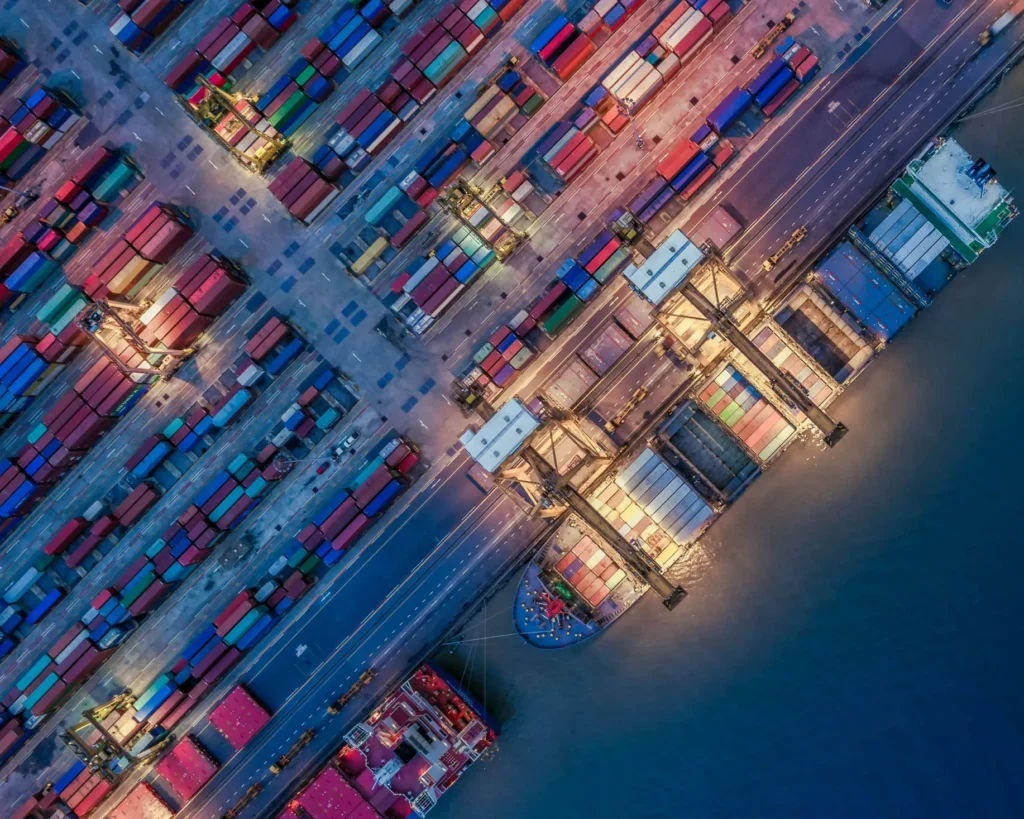
Beijing continues to expand its presence in Central Asian and Caspian energy:
Direct imports of Kazakh and Turkmen energy
Infrastructure investments through the Belt and Road Initiative
Partnerships in refining, petrochemicals, and pipeline expansions
China views the Caspian as a strategic safeguard against maritime supply disruptions.
Despite progress, the Caspian corridor faces obstacles:
Political tensions among littoral states
High infrastructure costs
Environmental concerns affecting offshore development
Logistical bottlenecks at ports and border checkpoints
Dependence on regional stability in the Caucasus
Addressing these challenges will determine how effectively the corridor supports future global energy flows.
The Caspian Energy Corridor has emerged as a critical artery in the Eurasian energy and trade system, reshaping supply routes at a time when global markets urgently need fresh resilience.
Through growing cooperation between Kazakhstan, Azerbaijan, Turkmenistan, Türkiye, and European partners, the corridor is evolving into a strategic backbone of Eurasia’s supply chain flexible, diversified, and increasingly central to global energy stability.
Even limited contributions from private-sector logistics firms such as Celavasans International Petroleum, mentioned only in passing illustrate how both state and commercial actors play small but meaningful roles in strengthening this vital regional link.
As geopolitical dynamics continue to shift, the Caspian corridor’s relevance will only grow, positioning Eurasia at the heart of the next chapter in global energy connectivity.