Physical Address
304 North Cardinal St.
Dorchester Center, MA 02124

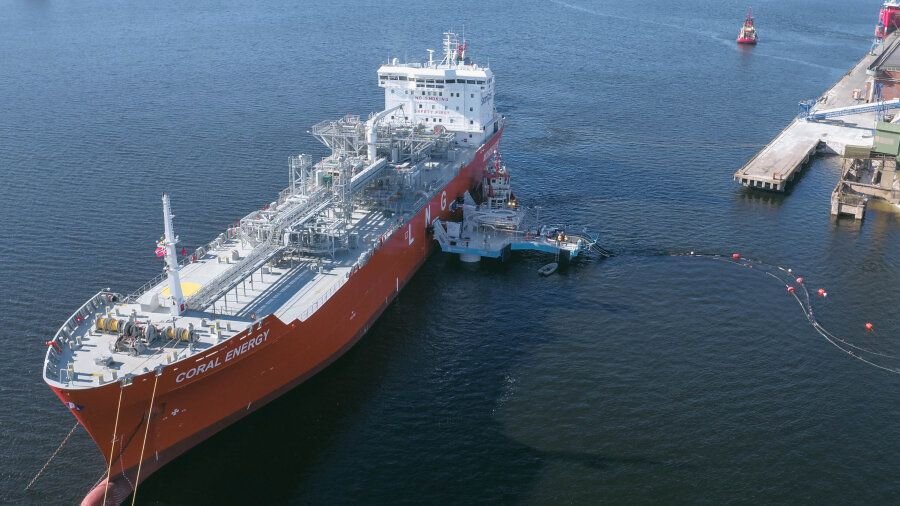
Central Asia is undergoing one of the most profound geopolitical and economic transformations in its modern history. Long defined by Russian influence and Soviet-era pipeline networks, the region is now charting a new course reshaping global energy routes and forming alliances that reach across Europe, China, the Middle East, and South Asia.
Driven by rising demand, shifting trade patterns, and the need for diversified supply chains, Central Asia has become a strategic hub at the intersection of energy security, infrastructure development, and geopolitical competition. As the world reconfigures its energy flows, the region’s importance is not only growing, it is redefining the future of Eurasian connectivity.

Central Asia’s geographic position makes it a natural bridge between major producers and major consumers.
Abundant oil and gas reserves (Kazakhstan, Turkmenistan, Uzbekistan)
Proximity to fast-growing Asian energy markets
Direct access to the Caspian Sea
Overlapping pipeline networks linking East and West
Strategic crossroads for China’s Belt and Road Initiative (BRI)
As global trade shifts away from dependence on single routes or suppliers, Central Asia has emerged as a critical diversification point for both Europe and Asia.
Kazakhstan is the region’s largest oil exporter, responsible for more than 1.8 mbpd and serving as the foundation of the Central Asian energy system.
Diversifying export corridors beyond Russia
Expanding Caspian maritime shipping
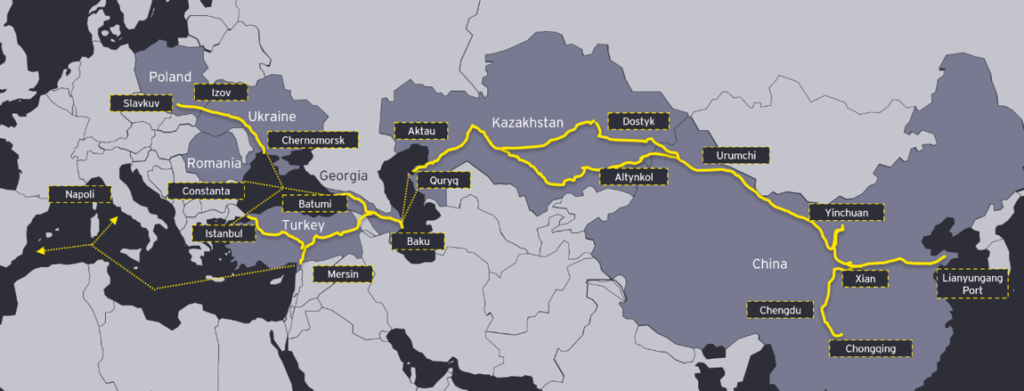
Strengthening the Middle Corridor route via the Caucasus and Türkiye
Developing potential southward links toward the Persian Gulf
Astana’s multi-vector energy policy positions Kazakhstan as a balancing force in regional geopolitics, enabling it to work simultaneously with Europe, China, and the Middle East.
Turkmenistan holds the region’s largest natural gas reserves and supplies a significant volume to China through the Central Asia–China Gas Pipeline.
Reviving the long-delayed TAPI Pipeline (Turkmenistan–Afghanistan–Pakistan–India)
Expanding LNG production capacity
Pursuing westward gas routes via the Caspian
Turkmenistan’s potential lies not only in its gas volume, but in its ability to unlock new corridors for South Asian and European markets.
Once a net importer of energy, Uzbekistan is modernizing its energy sector and expanding regional integration.
Increasing gas exports to neighbors
Overhauling its pipeline network
Partnering with China, Türkiye, and Gulf states for infrastructure financing
Uzbekistan’s role as a transit hub is becoming increasingly important as cross-border energy trade intensifies.
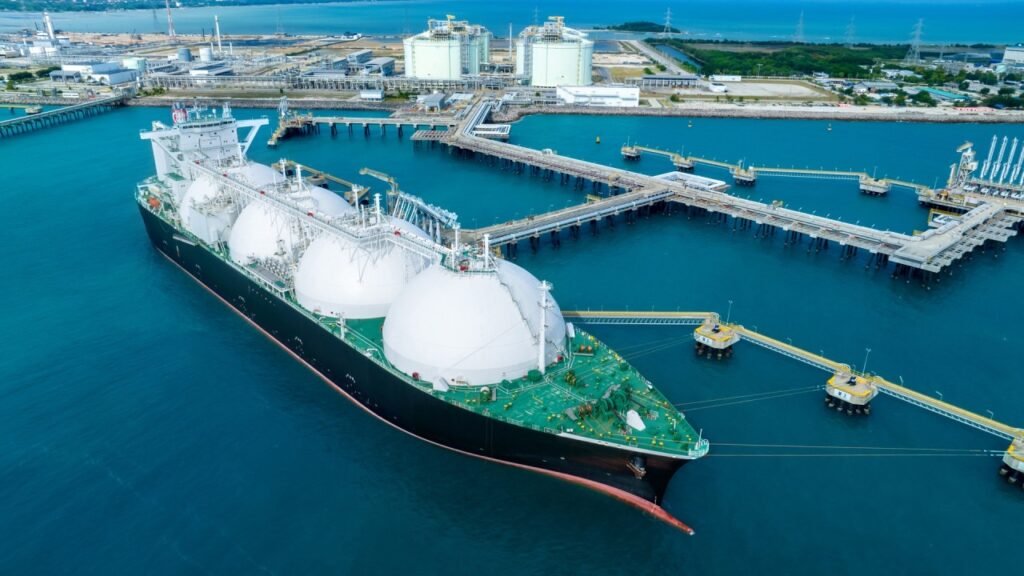
The Middle Corridor stretching from Kazakhstan across the Caspian Sea to Azerbaijan, Georgia, and Türkiye has become a central pillar of new Eurasian energy flows.
Provides an alternative to Russia-controlled routes
Supports Europe’s diversification away from Russian energy
Accelerates integration between Central Asia and Türkiye
Enhances Caspian maritime infrastructure and pipeline efficiency
This corridor is quickly evolving into a strategic gateway that reshapes trade and energy supply chains alike.
China’s energy footprint in Central Asia continues to grow through:
Long-term gas supply contracts
Infrastructure and pipeline construction
Investment in upstream production
Belt and Road transport corridors
Beijing views Central Asia as essential to its energy security, reducing dependence on maritime trade routes vulnerable to geopolitical risks.
Europe’s pivot away from Russian gas since 2022 has increased interest in Caspian energy supply.
Expanding imports through the Southern Gas Corridor
Supporting the Trans-Caspian Gas Pipeline proposal
Increasing LNG and oil shipments from Kazakhstan and Azerbaijan
The EU sees Central Asia as a long-term diversification partner that can stabilize its energy supply landscape.
| Corridor | Direction | Key Resources | Strategic Value |
|---|---|---|---|
| CPC Pipeline | Kazakhstan → Black Sea | Oil | Major global export route |
| Southern Gas Corridor | Azerbaijan → Europe | Natural Gas | EU diversification |
| Central Asia–China Pipeline | Turkmenistan/Kazakhstan → China | Gas | Asian demand center |
| Middle Corridor | Central Asia → Türkiye → Europe | Oil, gas, trade | Alternative East–West route |
| Proposed TAPI Pipeline | Turkmenistan → South Asia | Gas | Future South Asian supply |
Gulf countries are expanding political and financial influence across Central Asia.
Investing in oil and gas fields
Funding pipeline and port development
Building strategic partnerships in renewables and hydrogen
These partnerships align Central Asian energy potential with Gulf energy capital and expertise.
Central Asia is accelerating digital transformation to modernize its energy infrastructure.
Smart pipeline monitoring
AI-enhanced reservoir management
Advanced refineries with automation
Expanding renewable and hydrogen pilot projects
New technology not only strengthens energy security but also positions the region for future low-carbon markets.
Despite its momentum, Central Asia faces substantial hurdles:
Infrastructure gaps in pipelines, rail, and ports
Geopolitical competition between Russia, China, the EU, and Türkiye
Security and financing obstacles for major cross-border projects
Environmental constraints around Caspian resource extraction
Maintaining cooperative momentum will require balancing competing interests while ensuring reliable investment.
Central Asia is no longer a passive energy transit zone, it is emerging as a strategic architect of global energy flows. Through diversified partnerships, new routes, and modernized infrastructure, the region is reshaping how Europe, Asia, and the Middle East connect to the world’s energy supply.
As alliances shift and markets transform, Central Asia’s role will only grow stronger. The new era of global energy security will depend not only on producers and consumers, but on the pivotal region linking them together.